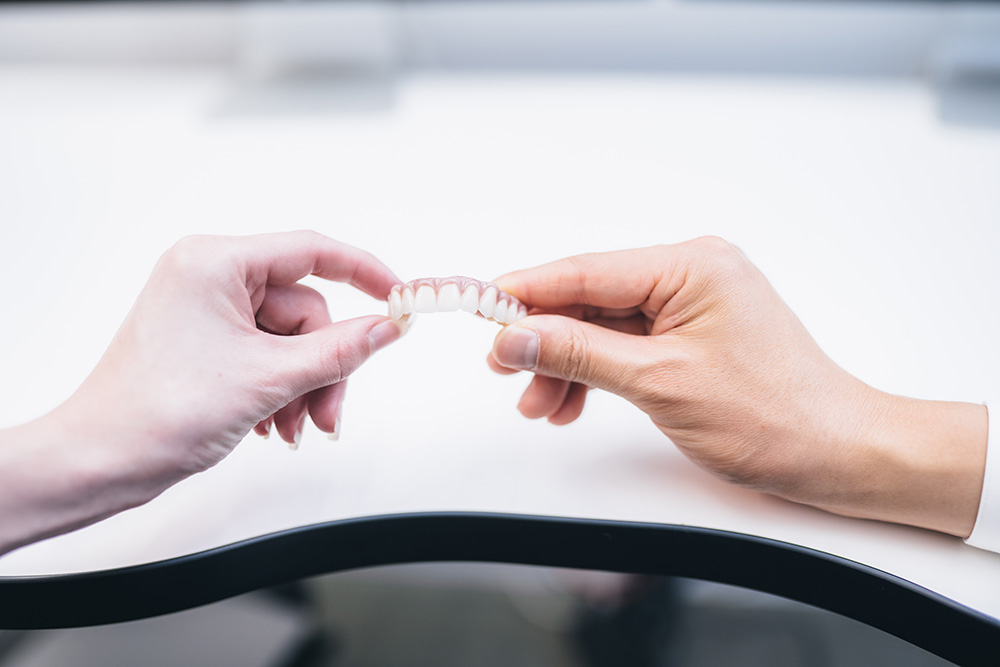
Dentures have been the only way to replace missing teeth for a long time. But now, dental implants are a widely used option for replacing missing teeth. This is because of the many advantages attached to these implants.
Most dental implants are made of titanium, which is metal. However, ceramic dental implants are non-metal and have become more popular in recent years.
This article is for you if you want more information about ceramic dental implants. It contains key information about ceramic dental implants and how they differ from titanium implants.
Contrary to titanium implants, ceramic implants are a newer technology that has been used for about 20 years. They are an alternative for people who are allergic or sensitive to titanium or prefer a metal-free option.
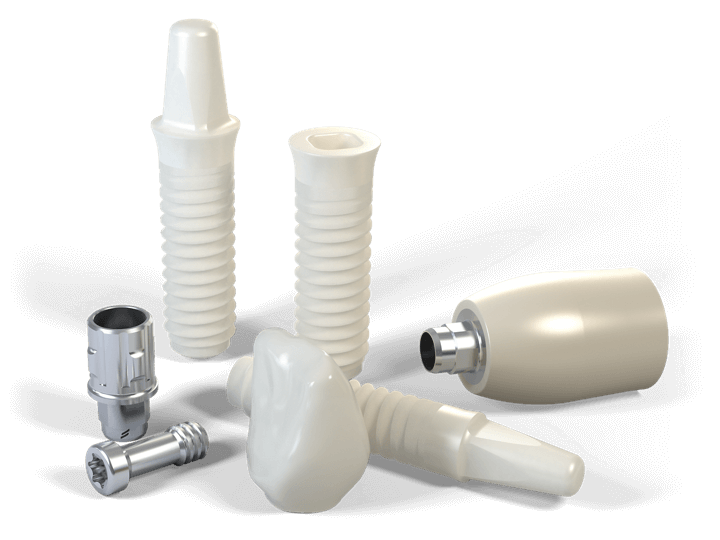
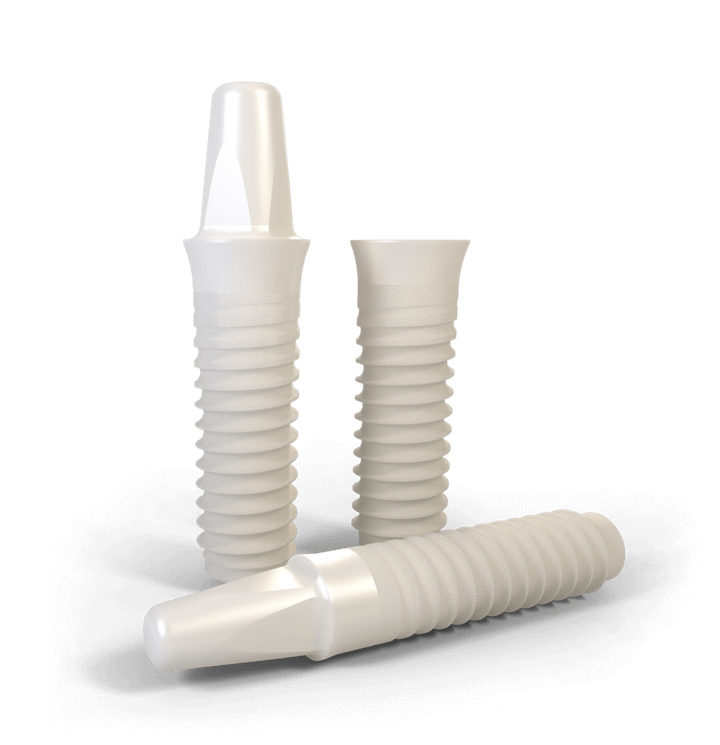
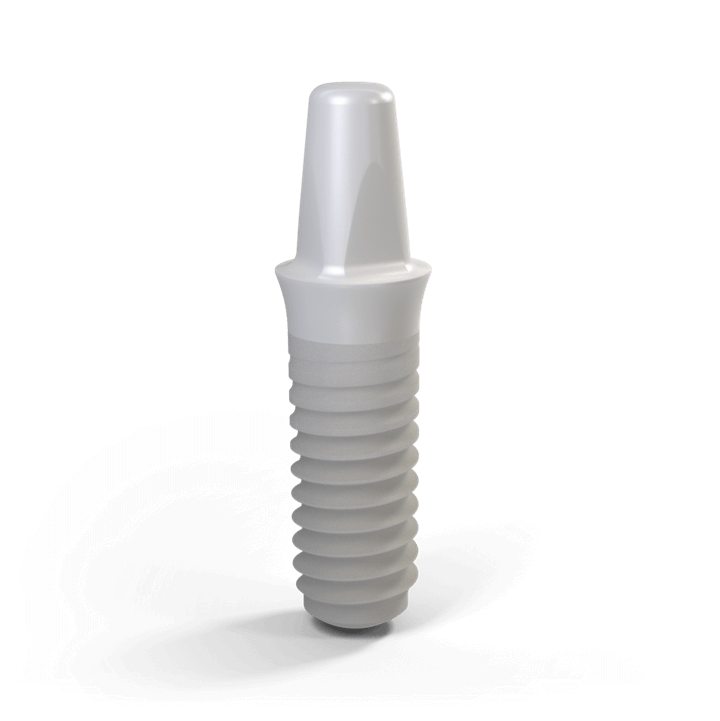
Ceramic dental implants are made of zirconia, a white, tooth-coloured ceramic material. Ceramic implants are metal-free and may be considered by patients who have concerns about metal-based materials. The Zirconia material is strong and used in various medical applications, including ceramic components in hip replacements.
Why Choose Ceramic Dental Implants?
Ceramic implants are biocompatible and don’t corrode. Some studies have investigated differences in plaque accumulation on implant materials. Individual outcomes vary.
Because they are white, ceramic implants are less likely to show a grey shadow through thin gums, which can occasionally happen with titanium. Ceramic implants are designed to integrate with surrounding tissues. Healing outcomes vary between individuals.
Ideal Candidates for Ceramic Dental Implants
Ceramic implants may be considered for people with missing teeth and may be suitable for some individuals with concerns about metal-based materials. If you have one or more of the following characteristics, you may be a good candidate for this tooth replacement option:
One or more teeth are missing
Overall good health
Sufficient jawbone mass and support
Gum health
Gum recession or thin or translucent gums
Metal sensitivity/allergy.
Additionally, it is best to meet a dentist to test your eligibility for the treatment. Our dentists can assess whether ceramic implants suit you.
Free My Implant Dentist E-Book
Make an informed decision with our free dental implant e-book for download below.
"*" indicates required fields
Disclaimer: Individual treatment outcomes may vary. Results shown are specific to this patient.
Disclaimer: Individual treatment outcomes may vary. Results shown are specific to this patient.
Dental implant procedures are usually the same. The implant is placed at the upper or lower jawbone and allowed to heal (integrate) for three months. The patient is then referred to their restorative dentist to have teeth fabricated to be placed on top of the implant.
We wait for osseointegration when the surrounding bone fuses to the implant wall and locks it in place so it can support a replacement tooth.
Ceramic vs Titanium Dental Implants
Ceramic and titanium are biocompatible materials that integrate with the jawbone to provide a strong foundation for your replacement tooth. However, they are different:
Ceramic dental implants are non-conductive and corrosion resistant
Titanium can cause a greyish appearance in patients with thin gums. This is due to its metallic nature.
Some studies suggest ceramic may attract less plaque than titanium, although evidence is still developing.
Ceramic and titanium implants have different material characteristics. Your dentist can discuss which option may be appropriate for your circumstances.
Ceramic Dental Implants Cost in Australia
As a general Australian guide, a ceramic implant costs around $5,500, which is usually more than a titanium implant. Costs vary with your clinical needs, and at My Implant Dentist your fee is confirmed in a written quote after your assessment. The cost of ceramic dental implants is determined by the specifics of each individual’s case. That is why we invite you to come in for an evaluation so that we can provide you with an accurate estimate of your costs.
Conclusion
Ceramic dental implants may be a suitable tooth replacement option for some patients seeking a metal-free implant alternative. Because they are white and metal-free, they may suit patients with thin gums or concerns about metal. Any surgical or invasive procedure carries risks. Before proceeding, you should seek a second opinion from an appropriately qualified health practitioner.
Book an appointment with one of our dentists to discuss your treatment options.
What To Do Next?
3 options
My Implant Dentist E-Book
Would you like to get more information about dental implants and our services?
You’ll see a dentist, get a free OPG X-ray and we’ll send you a personalised treatment plan including a price quote. CBCT scans are not included. Terms and conditions apply to the free consultation; see our offer terms.
There is less long-term research on ceramic implants than on titanium implants. How long any implant lasts depends on your oral hygiene, general health, bite forces and regular maintenance, and repair or replacement may be needed over time.
Ceramic implants used in Australia must be included on the Australian Register of Therapeutic Goods. Like any implant, they carry surgical risks, including infection, failure to integrate with the bone and fracture. Your dentist will discuss whether they suit your circumstances.
Possible risks include implant fracture (ceramic is more brittle than titanium), failure to integrate with the bone, and infection or inflammation around the implant. Your dentist will explain your individual risks.